What this guide is really about
If you have been trying to understand the Threads algorithm, you are not alone. A lot of the advice floating around is recycled from 2024, based on guesses, or contradicted by what Meta itself has published. The good news is that Meta has shared more detail about how Threads ranks content than most people realize.
The system changed in important ways during 2026. Meta rolled out Dear Algo, a feature that lets users type a public post telling Threads what they want to see more or less of. Adam Mosseri announced Your Algorithm, which lets people see and edit the topics the system associates with them. Threads also refined how it surfaces timely conversations.
This article breaks down what Meta actually documents, maps each ranking signal to a concrete creator action, and corrects the most common myths. No engagement multipliers, no viral guarantees, no recycled hacks.
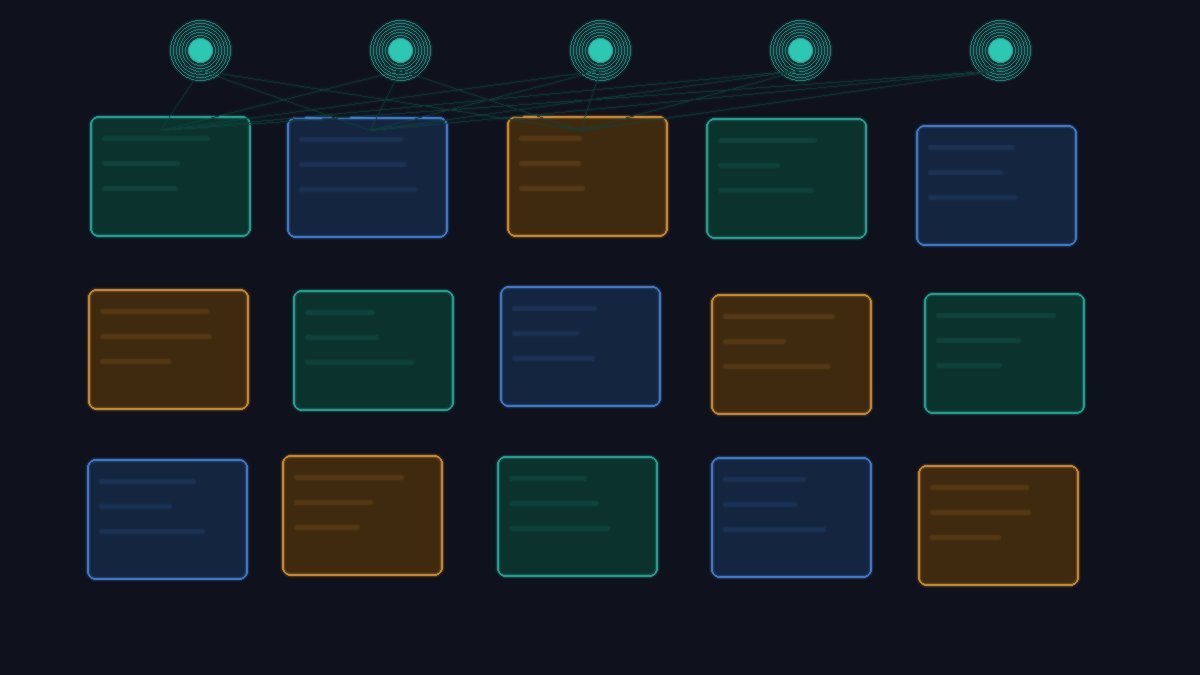
Threads ranks the For You feed with an AI system, not a fixed formula. It gathers eligible content, reads engagement signals, and ranks by predicted value per user. Meta documents five predictions: like, view replies, follow author, click profile, and scroll past. 2026 controls like Dear Algo and Your Algorithm let users steer topics. Creators should earn replies, make profiles worth clicking, and stay consistent ...
Understand what Meta actually documents about how Threads ranks content
Map each ranking signal to a specific action you can take this week
Learn how Dear Algo and Your Algorithm change the picture in 2026
Avoid the myths and hacks that waste your time
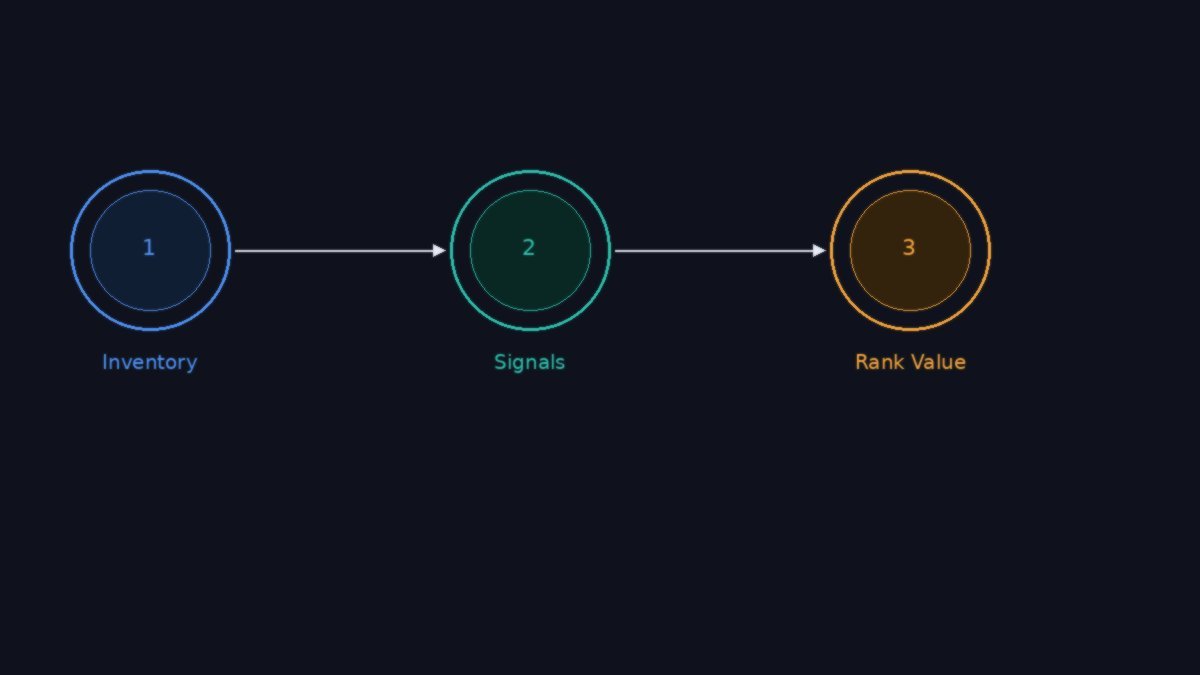
Threads ranks the For You feed with an AI system across three steps: gather inventory, analyze signals, rank by predicted value.
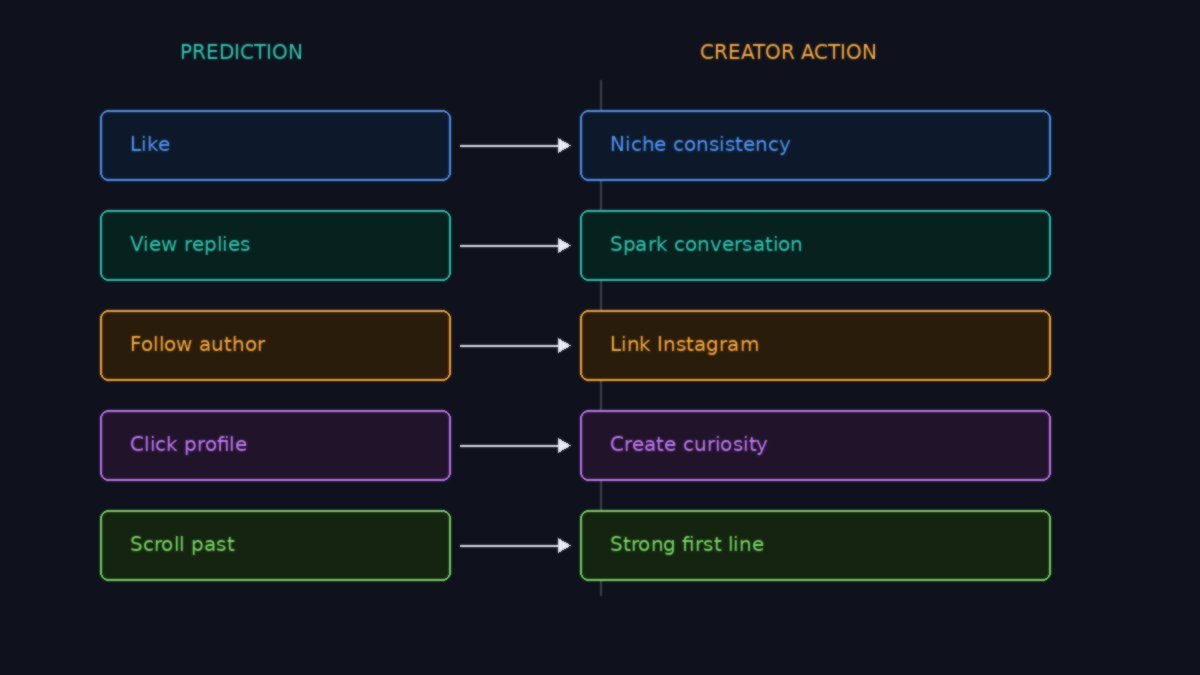
Meta documents five predictions: like, view replies, follow author, click profile, and scroll past. Each has specific input signals you can influence.
Dear Algo (February 2026) lets users post what they want to see more or less of, adjusting their feed for three days.
Your Algorithm (June 2026) lets users see and edit the topics the system associates with them, now rolling across Instagram and Threads.
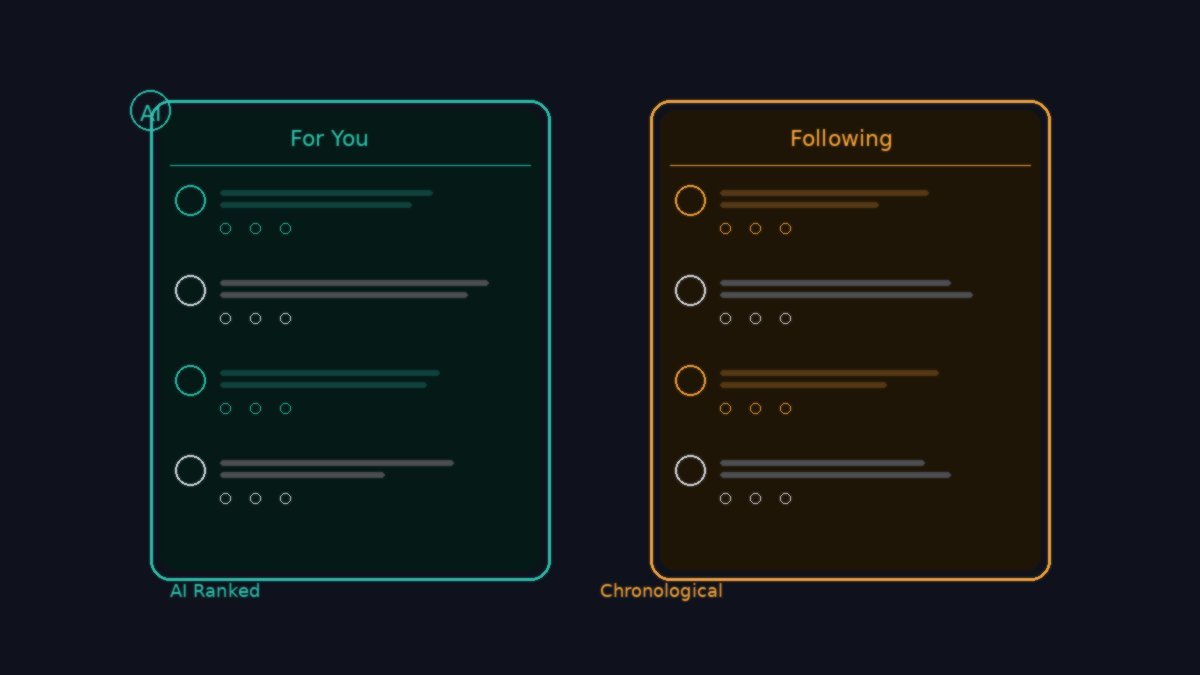
The Following feed is purely chronological. The AI system only affects For You.
Threads Calls It an AI System, Not an Algorithm
Here is something most guides miss. Meta does not use the word algorithm in its official Threads ranking documentation. Instead, the Meta Transparency Center describes it as an artificial intelligence system. Specifically, it says the content on your Threads feed is selected, ranked, and delivered by an AI system, and that within that system, multiple machine learning models work together.
This is not just branding. It tells you something important about how the system thinks. A traditional algorithm follows fixed rules. An AI system learns from patterns and adjusts its predictions based on what users actually do. That means the ranking is reactive. It responds to how people engage with content, not to a static formula you can game.
The practical implication for creators is that chasing a single hack, like posting at a magic hour or repeating a specific word, will not work for long. The system learns and adapts. What works is producing content that consistently earns the engagement signals the system measures.
The Three-Step Ranking Process
Meta breaks the ranking process into three steps that happen before any content reaches your feed. Understanding each step tells you where your content needs to be to get surfaced.
Step one is inventory gathering. The system collects a portion of public content on Threads plus everything posted by accounts you follow. Only content that follows quality and integrity rules makes it into this pool. If your posts violate Community Guidelines or Recommendation Guidelines, they will not even enter the ranking competition.
Step two is signal analysis. The AI examines engagement signals about the gathered content. These signals include how you have engaged with similar accounts, what types of content you interact with, and your expressed interests.
Step three is ranking by predicted value. The system ranks content based on what it predicts will provide the most value to you. Higher predicted value means higher placement in your For You feed. Meta frames this as matching content to preferences, not as a popularity contest.
The Five Predictions That Decide Your Reach
This is where it gets practical. Meta documents five specific predictions the AI system makes about each post for each user. Each prediction is influenced by specific input signals. The Meta Transparency Center lists them as like, view replies, follow author, click profile, and scroll past. If you understand these, you understand what the system is optimizing for.
The like prediction is influenced by how many posts the user has seen, how often they like posts, how often they like the author's posts, and their like rate for that author. The creator takeaway is niche consistency so the system shows your posts to people already inclined to like them. The reply prediction is influenced by how many others have already replied, how many replies the user typically sees, and recent activity. Posts that spark conversation compound, because visible reply activity attracts more reply clicks. How you format your Threads posts affects whether someone pauses long enough to engage at all.
The follow prediction is influenced by recent follow patterns, profile views on Instagram, and interest alignment. Cross-link your Instagram and Threads presence, since Instagram profile views feed this signal. The profile click prediction is influenced by the author's overall profile click rate and total profile clicks. Create curiosity by referencing expertise, a unique perspective, or something useful in your bio, without bait-and-switch.
The fifth prediction is whether a user will scroll past without engaging. It is influenced by how many times a post was viewed without action. Your first line matters enormously. If the opening does not earn a pause, the system registers a scroll-past, which works against you.
Chasing a single viral hack instead of building consistent engagement signals over time
Posting across five unrelated niches so the system cannot confidently predict your audience
Ignoring replies in the first hour after posting, missing the window when reply activity compounds
Treating the Following feed and For You feed as the same thing
Believing engagement pods or reciprocal liking will fool a system designed to detect coordinated behavior
Dear Algo and Your Algorithm: New Feed Controls in 2026
Two features rolled out in 2026 fundamentally changed how users interact with the Threads ranking system. Creators need to understand both because they shift some control from the system to the user.
Dear Algo launched in February 2026. It lets any user type a public post starting with the words dear algo followed by a description of what they want to see more or less of. The system then adjusts that user's feed for three days. You can also repost someone else's Dear Algo request to try their preferences. Meta positioned this as a way to stay connected to current conversations, whether that means seeing more posts about a live sports event or less about a topic you are avoiding.
Your Algorithm arrived in June 2026 when Adam Mosseri announced it was expanding to the main Instagram feed. It lets users see the topics the system thinks they care about and actively change them. Mosseri framed it as evolving from a setting into something central to the experience. For creators, this means users now have more explicit tools to tune out topics they do not want, which makes niche consistency even more important.
Neither feature changes the underlying ranking system. But they do mean that user behavior is becoming a stronger signal. If someone tells the system they want more of a topic, your content in that topic has a better chance of reaching them.
Signal-to-Action Decision Framework for Creators
Knowing the five predictions is useful. Mapping each one to a specific action is what actually helps you grow. Here is a decision framework you can use this week.
For likes, focus on niche consistency. Write about a defined set of topics so the system can match your posts to users who already engage with similar content. For replies, write posts that invite response: a genuine question, a contrarian take, or a short story that prompts reactions. Then reply to every reply you get in the first hour. Early reply activity signals that the post is generating conversation.
For follows, make sure your Instagram and Threads profiles are connected and complete. Meta documents that Instagram profile views influence follow predictions on Threads. A strong bio, a clear profile image, and an active Instagram presence all help. For profile clicks, create posts that make people curious about you. Reference a framework you use, a process you teach, or a resource in your bio. Do not bait-and-switch. Just give people a reason to learn more.
For scroll-pasts, treat your first sentence like a headline. If it does not earn a pause, nothing else matters. Test different opening lines and notice which ones generate engagement versus which ones get ignored. If you want a structured way to put these into practice, draft hooks and reply-first posts in the Free Threads Post Creator, then combine that with a Threads growth playbook that tracks which actions actually move the needle for your account.
What the Algorithm Does Not Reward
Several persistent myths about the Threads algorithm waste creator time. Let us correct the most common ones.
Myth one: Threads suppresses links. There is no official Meta documentation stating that links in posts are penalized in the ranking system. Some third-party analysts suggest link posts may underperform because users are less likely to click away from the app, but this is about user behavior, not a documented suppression rule. If links are relevant to your post, include them.
Myth two: You need to post at a specific time for maximum reach. Universal best-times do not work because your audience has its own activity patterns. The better approach is to test posting times over four weeks and read your own analytics, rather than following generic hour recommendations. Myth three: More posts always means more reach. Posting frequency matters less than posting quality. The system ranks each post independently based on predicted value. Ten low-value posts will not outperform one post that earns genuine replies and profile clicks.
Myth four: Engagement pods and reciprocal liking boost your ranking. The system is designed to detect coordinated inauthentic behavior. Artificial engagement does not produce the organic signals the predictions are built on, and it may trigger integrity filters.
Following Feed vs For You: Know the Difference
One distinction that trips up many creators is the difference between the two main Threads feeds. The For You feed is ranked by the AI system described above. The Following feed shows posts only from accounts you follow, in reverse chronological order.
This matters for growth because new followers discover you through the For You feed. Your existing followers see you in Following. A post that performs well in For You can reach people who do not follow you yet, which is where audience growth happens.
The implication is that you should optimize for the signals the AI system measures, not just for your existing follower base. If you only write for people who already follow you, you limit your discovery potential. Use topic tags strategically to help the system understand what your post is about and match it to interested users who do not follow you yet.
Action checklist
Use this as the practical next pass after reading the guide.
- +Write down your top three content topics and commit to them for the next month
- +Craft your first sentence as a hook before writing the rest of any post
- +Reply to every comment on your posts within the first hour
- +Make sure your Instagram profile is complete and linked to your Threads account
- +Test three different opening line styles this week and track which earns more replies
- +Use one relevant topic tag per post to help the system match you to interested non-followers
Conclusion
The Threads ranking system is not a black box you need to trick. Meta has documented how it works, and the logic is straightforward once you understand the five predictions. The system gathers content, analyzes engagement signals, and ranks by predicted value.
The creators who grow on Threads are not the ones gaming the system. They are the ones whose content consistently earns the signals the system measures: likes, replies, follows, profile clicks, and attention that prevents scroll-pasts. Focus on those, and the ranking takes care of itself.
Frequently asked questions
How does the Threads algorithm work?
Threads uses an AI ranking system for the For You feed. It gathers available content, analyzes engagement signals like likes and replies, and ranks posts based on predicted value to each user. The system makes five key predictions: whether you will like a post, view its replies, follow the author, click the author's profile, or scroll past without engaging.
Is the Threads For You feed chronological?
No. The For You feed is ranked by the AI system based on engagement signals and predicted value. The Following feed, which shows posts only from accounts you follow, is displayed in reverse chronological order. You can switch between them by tapping the Threads logo at the top of the app.
What is Dear Algo on Threads?
Dear Algo is a feature launched in February 2026 that lets users type a public post starting with the words dear algo followed by what they want to see more or less of. The system adjusts that user's feed for three days. It is available in the United States, New Zealand, Australia, and the United Kingdom.
What is Your Algorithm on Threads?
Your Algorithm is a feature that lets users see the topics the system thinks they care about and change them. Adam Mosseri announced its expansion to the main feed in June 2026. It gives users more direct control over what appears in their feed by making topic preferences editable.
Does Instagram activity affect your Threads reach?
Yes. Meta documents that viewing an author's Instagram profile influences both the follow and profile click predictions on Threads. Because the platforms are closely connected, cross-platform interactions feed into the ranking signals the AI system uses.
Does Threads penalize links in posts?
There is no official Meta documentation stating that links are penalized in the ranking system. Some link posts may underperform because users are less likely to leave the app, but this reflects user behavior rather than a documented suppression rule.
What content performs best on Threads?
Content that earns replies, profile clicks, and follows performs best because those are the signals the AI system predicts and rewards. Educational posts, timely commentary, genuine questions, and posts that start conversations tend to outperform passive or engagement-bait content.
How often should I post on Threads?
There is no universal answer. The system ranks each post independently, so quality matters more than frequency. Start with one to two posts per day, measure which ones earn the most engagement signals, and adjust based on your own analytics rather than generic recommendations.